
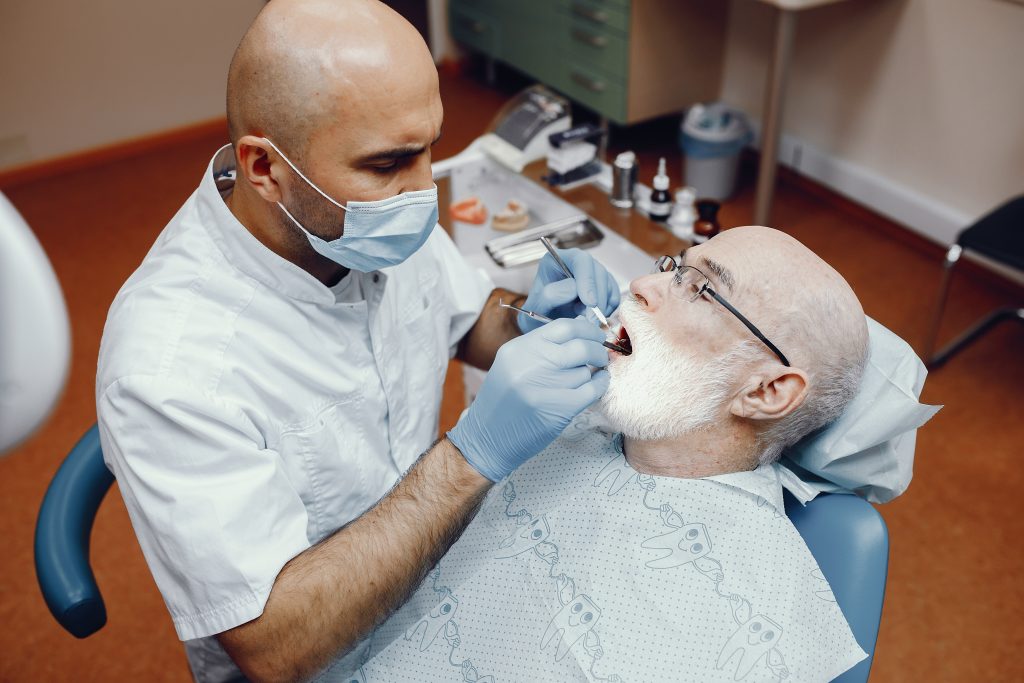
Getting a new tooth is a big deal, and it’s a great way to feel confident again. Many people choosing dental implants in SW Calgary love them because they look and feel just like the real thing. While most people have no trouble at all, every surgery has some small risks.
Knowing what to look out for, and how to stop problems before they start, is the best way to make sure your new smile stays strong for life.
By picking a great team and taking good care of your mouth at home, you can have a smooth recovery and a beautiful result.
Ways to Stop Problems Before They Start
The process of putting a small metal post into the jaw is very precise. Most people heal up perfectly, but there are a few things that can happen if you aren’t careful.
- Nerve Tingling: If a post is too close to a nerve, it can cause a numb feeling in your lip or chin.
- Sinus Pressure: In the upper jaw, the post can sometimes sit too close to your nose area.
- Normal Swelling: A little puffiness is normal for a few days, but it shouldn’t get worse over time.
A good dental clinic in SW Calgary will use high-tech 3D pictures to map out your mouth first. This plan helps the dentist place the post in the perfect spot, far away from nerves and sinuses.
Watching Out for Signs of Infection
It is very important to know the signs of dental implant infection and prevention tips to keep your new tooth healthy. An infection around an implant is like gum disease and can make the bone weak.
- Red or Puffy Gums: Look for gums that stay dark red or swollen around the post.
- Bad Taste: If you notice a yucky taste or smell coming from that spot, tell your dentist.
- A Loose Feeling: Your implant should never wiggle. If it does, it needs a check-up right away.
To prevent this, use a gentle mouthwash and keep the area clean. If an infection is caught early, the dentist can usually fix it with a deep cleaning and some medicine.
How to Help Your Body Heal Faster
Many patients ask how to reduce the risk of dental implant failure during the first few months. This is the time when your bone is growing around the metal post to hold it tight.
- Stop Smoking: Smoking is the #1 reason implants fail, because it stops blood from helping the gums heal.
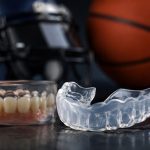
- Protect Your Bite: If you grind your teeth at night, wear a mouthguard so you don’t put too much pressure on the new post.
- Eat Healthy: Foods with lots of calcium help your jawbone stay strong and thick.
If you are looking for a dental clinic near you, find one that offers check-ups after the surgery. These visits let the doctor make sure the bone is growing exactly the way it should.
Is Your Healing Normal?
| What You Feel | Normal Healing | Something Is Wrong |
| Pain | A little sore for 3–5 days | Sharp pain after a week |
| Bleeding | A tiny bit for 24 hours | Heavy bleeding that won’t stop |
| Movement | Feels like a rock | Feels loose or clicks |
| Fever | No fever | Feeling hot or having chills |
| Numbness | Goes away when freezing stops | Lasting “pins and needles” feeling |
Taking Care of Your Mouth at Home
Once you go home, your daily habits are what matter most. Following the dental implant aftercare instructions from your dentist will keep the area safe while it heals.
- Eat Soft Foods: Stick to things like mashed potatoes, soup, and yogurt for the first week.
- Be Gentle: Don’t brush the surgery spot for the first day; use a gentle saltwater rinse.
- Take It Easy: No heavy lifting or hard exercise for at least three days, so you don’t start bleeding again.
When you look for dental implants, ask if they give you a “home care kit.” Having the right supplies ready makes the first few days much easier.
Why a Strong Jawbone Matters
The strength of your implant depends on your jawbone. If you have been missing a tooth for a long time, the bone might have become thin. If the bone is too thin, the post won’t have enough to hold onto.
In this case, the dentist might add a little bit of new bone first. This takes a bit more time, but it creates a “rock-solid” base that keeps the implant from moving later on.
Keep Your Smile Bright for Years
Even after your new tooth is finished, you still need to see a professional. When searching for dental implants, pick a team that helps with long-term care. Special tools are needed to clean around the metal without scratching it.
Regular cleanings stop bacteria from building up around the base. Your new tooth can’t get a cavity, but the gums and bone under it still need love and care to stay healthy.
A Healthy Future for Your Smile
Getting a dental implant is a great way to feel better about your smile. While there are a few risks, most of them are very easy to avoid if you follow the rules and keep your mouth clean.
By staying on top of your dental visits and being gentle while you heal, you can make sure your new teeth stay strong for a long time. Our team is here to help you every step of the way.
At Southland Dental Choice, we care about your comfort and want you to love your new smile.
Ready to talk about getting your smile back? Contact Southland Dental Choice today to book a visit and learn more about our simple and safe plans!
Frequently Asked Questions
Can my body reject the implant?
It is very rare for your body to “reject” the metal, but things like smoking or not cleaning well can stop the bone from growing around it.
Is it painful to fix a problem?
If there is an issue, the dentist will numb the area first. Most people find that fixing a problem is quick and not very painful.
When can I eat a steak again?
You usually have to wait about three to six months for the bone to be fully strong before you eat very hard or chewy foods.
What if I am allergic to metal?
It is very rare, but if you have a metal allergy, you can get a “ceramic” implant that has no metal in it at all.